
Understanding the Basics of Garage Doors
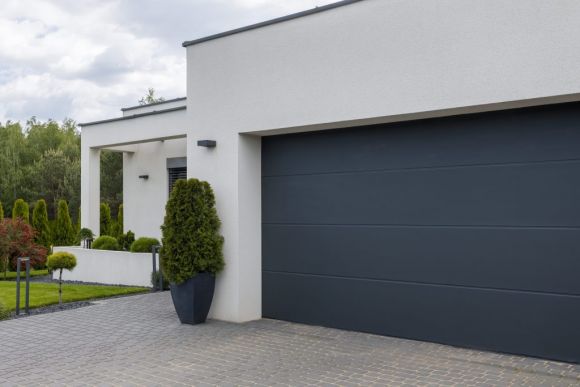
Building on our commitment to enhancing both aesthetics and functionality, it’s important to recognize that garage doors serve more than just a utilitarian purpose—they are pivotal in safeguarding the home and improving its visual harmony. Many homeowners use their garage doors as primary entrances, making security and reliability top priorities. The choice of design and material greatly influences a home's visual unity and energy efficiency. Consider this scenario: A homeowner living in a neighborhood with a consistent architectural style can boost their property's value by choosing a garage door that matches the home's facade. In contrast, a mismatched garage door could detract from the property's aesthetic appeal and market value.Garage Door Types
To fully appreciate the benefits of various garage door options, we must first explore the different types available. Each type offers unique functions, advantages, and design features, necessitating consideration of lifestyle needs, spatial constraints, and desired appearance.Sectional Doors
To underscore our focus on style and function, sectional doors stand out as the most common residential choice. These doors consist of multiple panels that glide along vertical tracks, allowing them to lift overhead seamlessly. They also offer an array of design possibilities, including windows, colors, and insulation for better energy efficiency. Take the case of a homeowner aiming to enhance their home’s curb appeal while retaining functionality. A steel sectional door with decorative windows and insulated panels could achieve this, improving both appearance and energy regulation within the garage.Roll-Up Doors
A key aspect of space efficiency is demonstrated by roll-up doors, typically used in commercial settings. Constructed with narrow slats that coil up into a cylinder above the doorway, these doors are incredibly durable and ideal for spaces with height restrictions. Consider a homeowner with a detached garage that has limited ceiling space. A roll-up garage door could be the optimal solution, as its design maximizes overhead storage, perfect for compact garages or workshops.Slide to the Side Doors
As we further investigate space-saving solutions, slide-to-the-side doors emerge as an excellent choice for garages with low headroom. These doors slide horizontally along a track, avoiding ceiling obstructions like plumbing or HVAC systems. Imagine a homeowner with an older garage lacking sufficient overhead clearance. A slide-to-the-side model provides convenient access without needing structural modifications.Side-Hinged Doors
Given the importance of maintaining traditional aesthetics, side-hinged doors offer a classic look. They open outwards like conventional doors and are often built from wood or steel. Though they usually require manual operation, automation is available. For instance, a homeowner restoring a historic property might choose side-hinged doors to preserve the home's authentic design. These doors can be customized with period-specific hardware and wood finishes to match the architectural style.Tilt-Up/Up-and-Over Canopy Doors
Tilt-up doors, available as canopy or retractable styles, offer another dimension of design choice. Canopy doors protrude slightly when open, while retractable options tuck inside the garage completely. If a homeowner seeks a sleek, uninterrupted facade, tilt-up retractable doors with flush paneling present a minimalist aesthetic while ensuring reliable operation.Materials Used in Garage Doors
To make the right choice, understanding the impact of materials on garage doors is crucial. Material selection affects aesthetics, durability, maintenance needs, and insulation properties.Steel
As we examine durability and ease of maintenance, steel emerges as a prime candidate. Steel garage doors offer strength, low upkeep, and are available in various finishes and insulation levels, mirroring wood's appearance with superior durability. For example, a homeowner in a busy neighborhood might choose a steel garage door for its resistance to dents and wear, maintaining curb appeal amid frequent use.Wood
Appreciating the natural beauty and charm of wood, we find it offers unmatched aesthetic appeal. Wood doors can be painted or stained to suit any exterior but require regular upkeep to resist weather damage. Consider someone living in a luxury or historic district who selects a custom-carved wood garage door to enhance their property’s elegant appearance, benefiting from wood's timeless appeal.Aluminum
Exploring more modern options, aluminum garage doors cater to contemporary designs with their lightweight, rust-resistant properties. Often incorporating glass paneling, they project a sleek, modern look. Imagine a homeowner in a coastal city like San Antonio who finds aluminum practical for its corrosion resistance against salty air and humidity.Fiberglass
A crucial consideration when exploring material alternatives is fiberglass. It offers the look of wood with added moisture resistance and remains less susceptible to warping or cracking, suiting fluctuating climates. Homeowners in regions with extreme temperature changes could find fiberglass doors maintain their integrity better than wood, providing a reliable choice.Vinyl
Highlighting durability and minimal maintenance, vinyl doors are an ideal pick for homes with active families or frequent garage use. They resist dents and hold up well under regular strain. Visualize a family with kids often playing in the driveway preferring a vinyl door to avoid unsightly dents and scratches from accidental impacts.Factors to Consider When Choosing a Garage Door
When selecting a garage door, several essential factors come into play.Compatibility with Home’s Architecture
To reflect a unified design vision, ensuring a garage door complements home architecture enhances curb appeal and adds value.Climate and Location
Accentuating the material's role in longevity, the local climate should shape material choice to ensure lasting performance.Budget Constraints
From a practical standpoint, weighing affordability against durability is key—while steel and vinyl are cost-effective, premium materials like wood may demand higher investment.Security and Safety Features
Prioritizing your home's security, features like smart locks, automatic closings, and motion sensors offer added protection and accident prevention.Insulation Needs
For insight into energy savings, choosing an insulated door is crucial for attached garages where heat transfer can affect overall home energy efficiency. Homeowners using garages as workspaces might opt for insulation to maintain year-round comfort.Making the Final Decision
To assist in decision-making, homeowners can benefit from a checklist:- Evaluate design elements that complement your home’s style.
- Choose materials suited to your climate.
- Consider security features and smart technology options.
- Assess insulation needs for energy efficiency.
- Weigh the initial cost against long-term maintenance savings.