
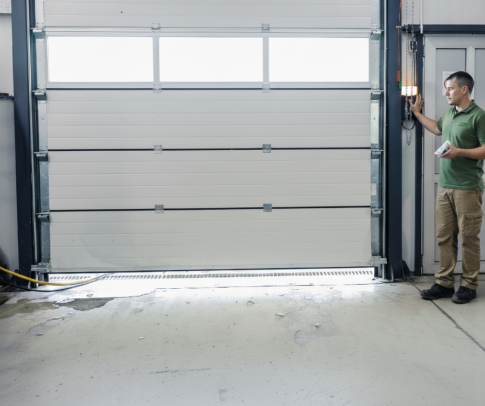
Understanding Energy-Efficient Garage Doors
In examining alternatives for energy-saving at home, an energy-efficient garage door is designed to minimize heat transfer, regulate internal temperatures, and reduce the strain on heating and cooling systems. Several key components determine the effectiveness of a garage door in conserving energy:Insulation and R-Value
A crucial consideration when exploring garage door energy efficiency is insulation. The insulation of a garage door is perhaps the most significant factor affecting its energy efficiency. Insulation is measured using an R-value, which indicates the material’s resistance to heat flow. The higher the R-value, the greater the insulation performance. Take the case of homeowners in Texas, where climates have extreme temperature fluctuations. A high R-value garage door can prevent excessive heat gain in the summer and retain warmth during colder months. A homeowner in San Antonio who uses their garage as a workshop may notice lower cooling costs in the summer by upgrading to a better-insulated door.Weather Sealing and Thermal Breaks
Building on our understanding of insulation, even if a garage door has excellent insulation, air leaks around the edges can worsen energy efficiency. Weather stripping along the bottom and sides of the door helps seal gaps, preventing drafts and outdoor air infiltration. Additionally, thermal breaks—barriers placed between interior and exterior garage door layers—reduce temperature transfer, enhancing insulation performance.Materials Used in Construction
Examining the materials used in garage doors, we find significant impact on energy efficiency. Some commonly used materials include:- Steel with Insulation – Provides durability while maintaining high insulation levels.
- Wood – Offers natural insulation but may require additional maintenance to prevent warping.
- Composite Materials – Often designed with built-in insulation for enhanced performance.
Benefits of Energy-Efficient Garage Doors
Cost Savings on Energy Bills
To fully appreciate the benefits of energy-efficient garage doors, consider cost savings as a primary advantage. One of the most immediate advantages of installing an energy-efficient garage door is a reduction in heating and cooling costs. By maintaining a stable temperature inside the garage, the HVAC system does not have to work as hard to regulate indoor temperatures. For a homeowner converting their garage into a home office, investing in an insulated door leads to lower energy bills, as their air conditioning unit no longer has to compensate for excessive heat gain.Enhanced Comfort and Usability
Given the importance of comfort, well-insulated garage doors maintain a pleasant environment inside the garage, making the space more versatile than merely vehicle storage. Home gyms, workshops, or laundry areas in attached garages benefit from stable temperatures, allowing homeowners to use these spaces year-round.Increased Home Value and Market Appeal
As we explore increasing home value, energy efficiency stands out as a selling point for homeowners looking to improve property appeal. Buyers often look for features that contribute to lower operational costs and improved insulation performance. Consequently, an energy-efficient garage door can make a home more attractive in the real estate market.Environmental Impact
Building on our awareness of ecological challenges, by reducing energy consumption, insulated garage doors contribute to a lower carbon footprint and support eco-friendly living. Additionally, energy-efficient doors made from sustainable or recycled materials further enhance their environmental benefits.Noise Reduction
With an eye toward a quieter home environment, another advantage of insulated garage doors is their noise reduction capability. This is particularly beneficial for homeowners who live in busy neighborhoods or near main roads. A homeowner experiencing constant traffic noise through a thin garage door may find peace and quiet by switching to an insulated model.Factors to Consider When Choosing an Energy-Efficient Garage Door
Local Climate and Temperature Extremes
Climate plays a pivotal role in energy needs. The climate in which a home is located significantly influences the insulation needs of a garage door. Areas with harsh winters or scorching summers may require a garage door with a high R-value for effective thermal resistance.The Type of Garage and Its Location
As we examine various garage types, their location becomes a factor in insulation needs:- Attached Garages – Since they share walls with the home, insulated doors are crucial to prevent heat transfer between the garage and living spaces.
- Detached Garages – May not require as much insulation unless they serve as a workshop or livable space.
Different Types of Insulation
Different insulation types offer unique advantages based on specific needs:- Polyurethane Foam – Provides superior insulation by filling all gaps within the door panels.
- Polystyrene Panels – Less expensive but slightly less effective in maintaining temperature control.
Proper Installation
A key factor in achieving optimal efficiency is proper installation. Even the most energy-efficient garage door will not perform well if installed improperly. Gaps, misalignment, or poorly placed weather stripping can lead to significant heat transfer. Professional installation ensures that the garage door functions at its highest efficiency level.How to Improve the Energy Efficiency of an Existing Garage Door
Simple Upgrades for Homeowners
When replacing a garage door isn't feasible, there are simple ways for homeowners to enhance energy efficiency:- Replace Weather Stripping – Over time, weather seals degrade. Inspect and replace worn-out weather stripping to close air gaps.
- Add Insulation Kits – Foam panel or reflective insulation kits can be installed on the interior side of non-insulated garage doors.
- Seal Gaps and Cracks – Gaps around the door frame allow unwanted airflow. Sealing them enhances insulation performance.
When Professional Assistance is Needed
Professional assistance becomes invaluable when DIY measures fall short. While some DIY measures can help, a professional garage door service ensures that all elements, from insulation to sealing, are optimized. A full inspection by experts can identify leaks or issues that may not be apparent to homeowners.The Role of Precision Garage Door of San Antonio
Precision Garage Door of San Antonio exemplifies expertise in enhancing garage door energy efficiency with services like:- Offering energy-efficient door options with high R-values
- Expert installation to ensure maximum insulation performance
- Routine maintenance services to check for inefficiencies like deteriorating weather stripping
- Custom recommendations based on individual needs and local climate conditions
Precision Garage Door of San Antonio provides fast, reliable garage door repairs, installations, and openers—backed by same-day service, expert technicians, and 24/7 live support. Book online or call (210) 759-4484 today.